
The Strait of Hormuz crisis is creating new fears of conflict in the Middle East as tensions involving the United States and Iran continue to threaten global oil supplies and international stability.The world is once again watching the Middle East with concern after former U.S. President Donald Trump’s aggressive push to reopen shipping routes through the Strait of Hormuz brought the region dangerously close to military conflict.
For weeks, tensions have been building around one of the world’s most important waterways. Oil tankers, military ships, and commercial vessels moving through the Strait of Hormuz became caught in a growing power struggle involving Iran, the United States, Gulf nations, and global energy markets.
While recent diplomatic talks appear to have slightly reduced fears of immediate war, experts warn the situation remains extremely unstable.
Understanding why this narrow waterway matters so much helps explain why global markets, governments, and ordinary people are paying close attention.
What Is the Strait of Hormuz crisis?
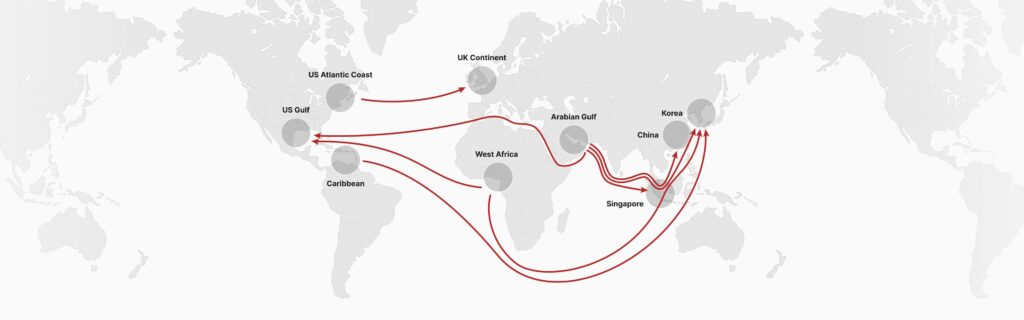
The Strait of Hormuz is a narrow sea passage located between Iran and Oman. It connects the Persian Gulf to the Arabian Sea and serves as one of the most critical oil transportation routes in the world.
Nearly 20% of the world’s oil supply passes through this single route every day. Countries such as Saudi Arabia, Iraq, Kuwait, Qatar, and the United Arab Emirates rely heavily on it to export energy products to global markets.
Because of its importance, any military tension in the area immediately affects oil prices, shipping industries, airlines, businesses, and consumers worldwide.
Even a small disruption can trigger massive economic consequences.
Why Did Strait of Hormuz crisis Tensions Rise Again?
The latest crisis began after reports emerged that Iranian-backed forces threatened commercial shipping routes following renewed disputes over sanctions and military operations in the region.
Trump publicly supported stronger U.S. naval operations to guarantee “freedom of navigation” through the Strait of Hormuz. The operation aimed to ensure oil tankers and cargo ships could safely pass through the area despite rising threats.
However, critics argued the move risked escalating tensions instead of calming them.
Iran responded with warnings against what it described as “foreign military provocation” near its territorial waters. Iranian military forces reportedly increased naval patrols and missile readiness levels during the standoff.
The situation quickly raised fears of accidental clashes between American and Iranian forces.
Why the World Became Nervous
The global economy remains heavily dependent on stable oil supplies.
As tensions increased, oil prices surged rapidly because investors feared the Strait of Hormuz could partially close or become unsafe for commercial shipping.
When oil becomes more expensive, the effects spread globally:
- Gasoline prices rise
- Airline costs increase
- Shipping becomes more expensive
- Food and product prices can climb
- Inflation pressures worsen
Countries already struggling with economic uncertainty became especially worried.
Financial markets reacted immediately. Stock markets experienced volatility while energy companies saw sharp increases in value.
Many analysts warned that a full blockade of the Strait of Hormuz could trigger one of the largest global energy crises in decades.
Diplomatic Talks Prevent Immediate Escalation
Despite growing fears, diplomatic efforts helped slow the momentum toward direct conflict.
Several international leaders reportedly encouraged both Washington and Tehran to avoid military escalation. Behind-the-scenes negotiations involving Gulf states and European diplomats also helped reduce tensions.
Recent reports suggest both sides temporarily stepped back from the most aggressive military actions.
This helped oil prices cool slightly after major spikes earlier in the week.
However, experts caution that the situation remains fragile.
The Middle East has a long history of sudden escalations where small incidents rapidly spiral into larger conflicts.
Trump’s Strategy Faces Global Debate
Trump’s supporters argue strong military presence is necessary to protect international trade and maintain stability in global shipping routes.
They claim that failing to respond forcefully could encourage further threats against international commerce and weaken American influence in the region.
Critics, however, believe the strategy increases the chances of war.
Some analysts argue that aggressive military positioning near Iran risks misunderstandings or accidental confrontations that could quickly escalate into direct military conflict.
Others fear the world may be entering another period of prolonged instability similar to earlier Middle Eastern conflicts.
The debate has also become highly political inside the United States, where foreign policy and military involvement remain divisive topics ahead of future elections.
How Other Countries Are Reacting
Countries across Europe and Asia are closely monitoring developments because many economies depend heavily on Middle Eastern oil supplies.
China, Japan, South Korea, and India all import large amounts of oil through the Strait of Hormuz.
Any major disruption could damage manufacturing industries, transportation systems, and economic growth worldwide.
Meanwhile, Gulf nations are trying to balance security concerns with economic stability. Several countries in the region reportedly increased military preparedness while simultaneously supporting diplomatic negotiations.
The United Nations also called for restraint and peaceful dialogue to avoid further escalation.
Strait of Hormuz crisis Oil Prices and Global Markets
One of the clearest signs of global anxiety has been the movement in oil markets.
Brent crude prices recently surged above $110 per barrel before falling slightly after reports of diplomatic progress.
Energy analysts say markets remain extremely sensitive to every new development coming from the region.
Even rumors of military incidents can move prices dramatically within hours.
Global stock markets also reacted strongly:
- Energy company shares climbed
- Airline stocks faced pressure
- Shipping industries saw uncertainty
- Investors shifted toward safer assets
This shows how closely connected geopolitics and the global economy have become.
Why the Strait of Hormuz crisis Matters More Than Ever
The world today remains highly dependent on energy stability.
Although renewable energy is growing, oil still powers major industries, transportation networks, aviation, and manufacturing systems worldwide.
The Strait of Hormuz remains one of the most strategically important locations on Earth because so much global energy supply passes through it.
Any serious conflict there would not remain limited to the Middle East.
It could impact economies worldwide within days.
That is why governments, businesses, and international organizations are treating the situation with extreme caution.
Strait of Hormuz crisis Could a Larger Conflict Still Happen?
For now, diplomatic talks appear to have reduced immediate fears of full-scale war.
However, military analysts warn the region remains highly unpredictable.
A single naval incident, missile strike, or political escalation could quickly reignite tensions.
The Middle East has repeatedly shown how fast situations can change.
While global leaders continue pushing for stability, many experts believe the Strait of Hormuz will remain one of the world’s most dangerous geopolitical flashpoints throughout 2026.
Conclusion
Trump’s push to reopen shipping operations through the Strait of Hormuz has once again placed the Middle East at the center of global attention.
The crisis highlights how fragile global stability can become when military tensions threaten critical energy routes.
Although diplomacy has temporarily lowered fears of direct war, uncertainty remains high.
The world now watches closely to see whether leaders can maintain peace or whether the region could move toward another dangerous chapter of conflict.
As oil markets, governments, and international businesses continue reacting to every development, one thing is clear: what happens in the Strait of Hormuz affects far more than just the Middle East.
It affects the entire world.
Suggested Internal Links for Your Site
Use these internal links naturally inside the article:
- https://todaynews21.com/oil-prices-surge-2026-global-crisis-deepens/
- https://todaynews21.com/ai-revolution-2026-impact-daily-life/
- https://todaynews21.com/space-race-heats-up-again/
Outbound Authority Links
Use these trusted sources: