
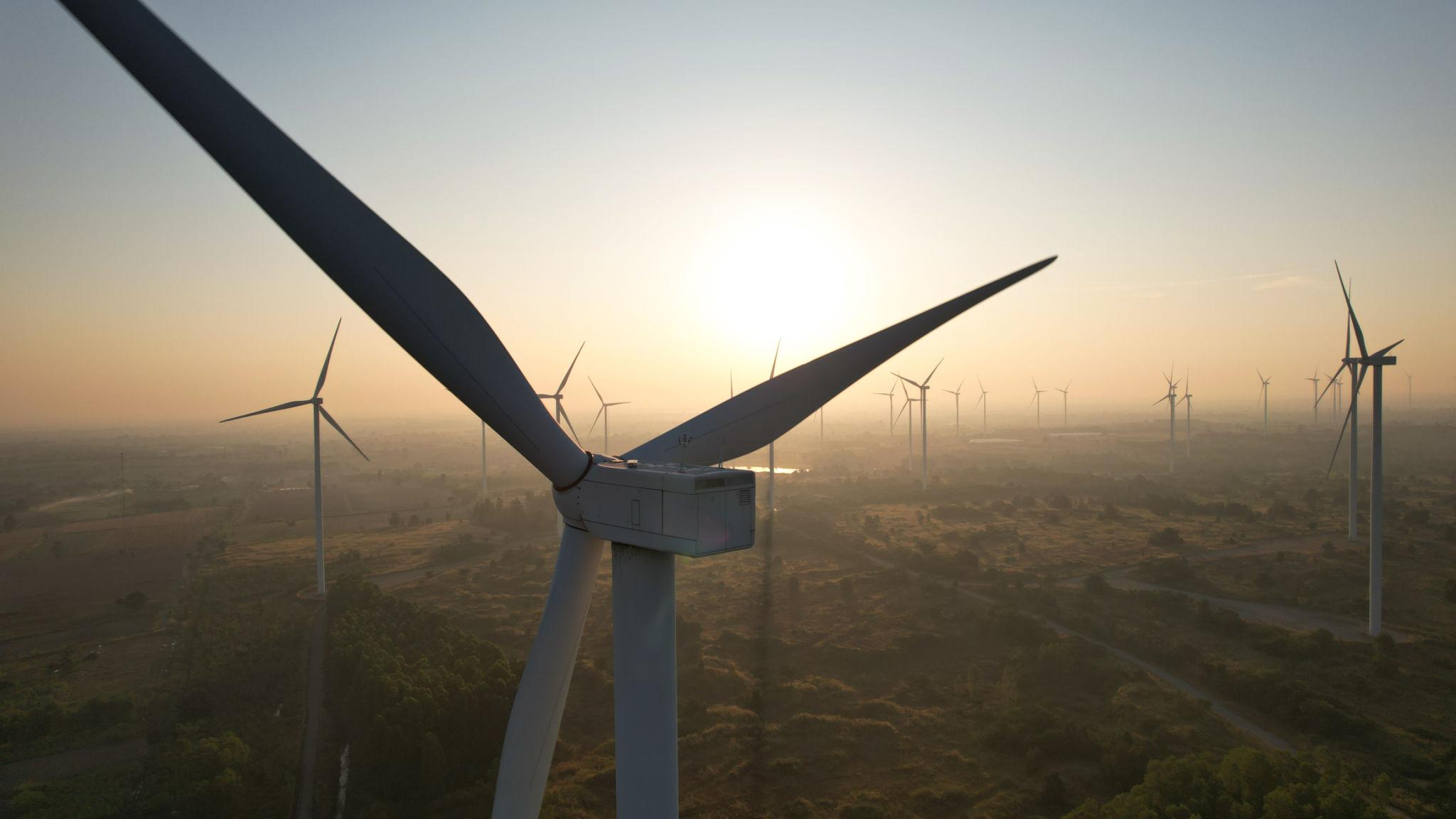
A new global climate alliance has emerged, bringing together more than 50 countries with a shared goal: to accelerate the transition toward a post-oil future. At a time when geopolitical tensions continue to disrupt energy markets and expose vulnerabilities in fossil fuel dependence, this alliance represents a significant step toward reshaping how the world produces and consumes energy.
The initiative focuses on reducing reliance on oil, gas, and coal while rapidly expanding investment in renewable energy sources such as solar, wind, and green hydrogen. For policymakers, businesses, and everyday citizens, the implications are far-reaching. This is not just an environmental move—it is an economic, political, and technological transformation that could define the coming decades.
What Is the New Climate Alliance?
The new climate alliance is a coalition of nations committed to speeding up the global transition away from fossil fuels. While international climate cooperation is not new, this initiative stands out for its urgency and scope.
Member countries have agreed to:
- Reduce fossil fuel dependency significantly within the next decade
- Increase investment in renewable energy infrastructure
- Support innovation in clean technologies
- Strengthen cooperation on climate policies and regulations
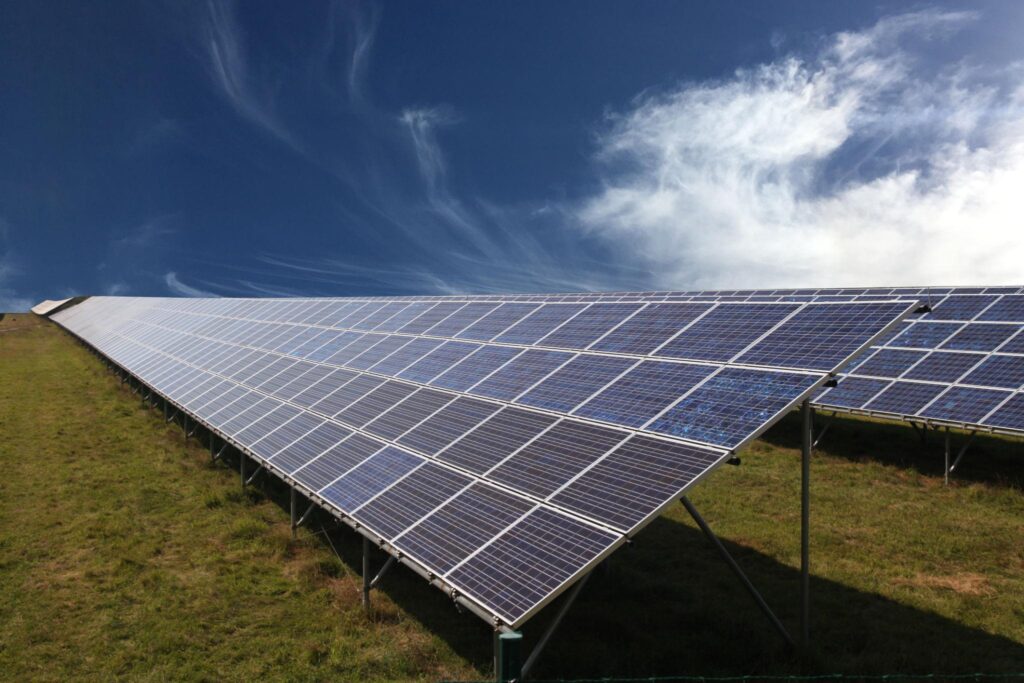
Unlike previous agreements that often focused on long-term targets, this alliance emphasizes immediate action. Governments are prioritizing practical steps such as expanding solar farms, scaling wind energy projects, and improving energy efficiency across industries.
The alliance also aims to provide financial and technological support to developing nations, ensuring that the transition is inclusive and does not widen global inequality.
Why Now? The Timing Behind the Alliance
The launch of this alliance is not happening in isolation. It comes at a moment when the global energy system is under pressure.
Recent instability in key oil-producing regions has highlighted the risks of relying heavily on fossil fuels. Supply disruptions, price volatility, and geopolitical tensions have forced many countries to rethink their energy strategies.
At the same time, the cost of renewable energy has dropped dramatically over the past decade. Solar and wind power are now among the cheapest sources of electricity in many parts of the world. This economic shift has made the transition not only environmentally necessary but also financially viable.
Climate change itself is another driving force. Increasingly severe weather events, rising sea levels, and environmental degradation are pushing governments to act more decisively. The alliance reflects a growing consensus that incremental progress is no longer enough.
The Economic Impact of a Post-Oil Future
Moving toward a post-oil future will reshape the global economy in profound ways.
Energy Markets and Investment
As countries reduce their dependence on fossil fuels, investment is shifting toward renewable energy. Billions of dollars are being directed into solar, wind, battery storage, and green hydrogen projects.
This transition is expected to:
- Create millions of new jobs in clean energy sectors
- Reduce long-term energy costs
- Increase energy security for countries that currently rely on imports
However, it also presents challenges. Regions heavily dependent on oil and gas production may face economic disruption. Governments will need to manage this transition carefully to avoid job losses and economic instability.
Innovation and Technology
The alliance is likely to accelerate innovation in energy technology. Advances in battery storage, smart grids, and carbon capture could transform how energy is generated and used.
Electric vehicles (EVs) are another key area of growth. As infrastructure improves and costs decline, EV adoption is expected to rise significantly, further reducing oil demand.

Environmental Benefits and Climate Goals
The environmental benefits of reducing fossil fuel use are clear. Lower greenhouse gas emissions will help slow global warming and reduce the severity of climate-related disasters.
The alliance aligns with global efforts to achieve net-zero emissions by mid-century. By acting collectively, member countries aim to:
- Cut carbon emissions more rapidly
- Improve air quality in urban areas
- Protect ecosystems and biodiversity
For many nations, the shift to renewable energy is also a public health measure. Reduced pollution can lead to fewer respiratory illnesses and improved overall quality of life.
Challenges Facing the Transition
Despite its potential, the path to a post-oil future is not without obstacles.
Infrastructure and Costs
Building renewable energy infrastructure requires significant upfront investment. Developing countries, in particular, may struggle to finance large-scale projects without international support.
Political Resistance
Fossil fuels remain deeply embedded in many economies. Political resistance from industries and stakeholders can slow progress.
Energy Reliability
Ensuring a stable energy supply is critical. Renewable sources like solar and wind are intermittent, meaning they depend on weather conditions. Advances in storage and grid management will be essential to address this issue.
Global Cooperation and the Road Ahead
One of the most important aspects of the new climate alliance is its emphasis on cooperation. Climate change is a global problem, and no single country can solve it alone.
By working together, member nations can share knowledge, coordinate policies, and pool resources. This collaborative approach increases the likelihood of success and ensures that progress is more evenly distributed.
The alliance also sends a strong signal to markets and investors. It demonstrates a clear commitment to clean energy, encouraging further investment and innovation.
What This Means for the Future
The emergence of the new climate alliance marks a turning point in the global energy landscape. While the transition to a post-oil future will take time, the direction is becoming increasingly clear.
For businesses, this means adapting to new technologies and shifting market demands. For governments, it requires balancing economic growth with environmental responsibility. And for individuals, it may involve changes in how energy is used in daily life—from transportation to home power consumption.
Ultimately, the alliance reflects a broader transformation. The world is moving away from an energy system built on fossil fuels toward one that is cleaner, more sustainable, and more resilient.
Conclusion
The new climate alliance pushing toward a post-oil future represents more than just a policy initiative—it is a signal of global change. As countries come together to reduce reliance on fossil fuels and invest in renewable energy, the foundations of the global economy are being reshaped.
While challenges remain, the momentum behind clean energy is stronger than ever. The decisions made today will have lasting impacts on the environment, the economy, and future generations.
The shift toward a post-oil world is no longer a distant vision. It is already underway—and this alliance may be one of the most important steps in making that future a reality.

Strong Sources:
Climate / Global Policy
https://www.un.org/en/climatechange
⚡ Energy Transition Data
https://www.iea.org/topics/renewables
💰 Economic Impact
https://www.worldbank.org/en/topic/climatechange
🌡️ Climate Science
Read more about my site: https://todaynews21.com/category/global-news/