Introduction: A Growing Global Concern
Aviation and supply chain risks are becoming one of the most critical global challenges in 2026. According to the International Monetary Fund, rising fuel costs and geopolitical instability are putting pressure on global trade and transportation systems.
From delayed shipments to rising ticket prices, aviation and supply chain risks are already affecting businesses and consumers worldwide.
Background: What’s Driving the Risks?
Fuel Supply Disruptions
One of the biggest drivers of aviation and supply chain risks is the instability in global energy markets. Key shipping routes like the Strait of Hormuz remain under threat, creating uncertainty in oil supply.
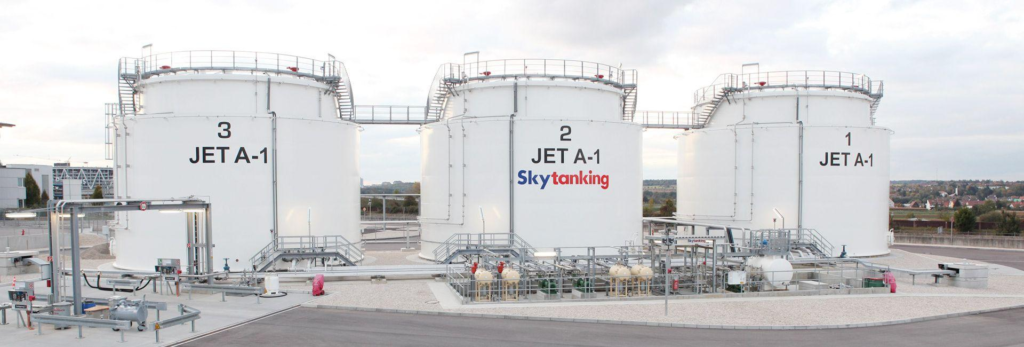
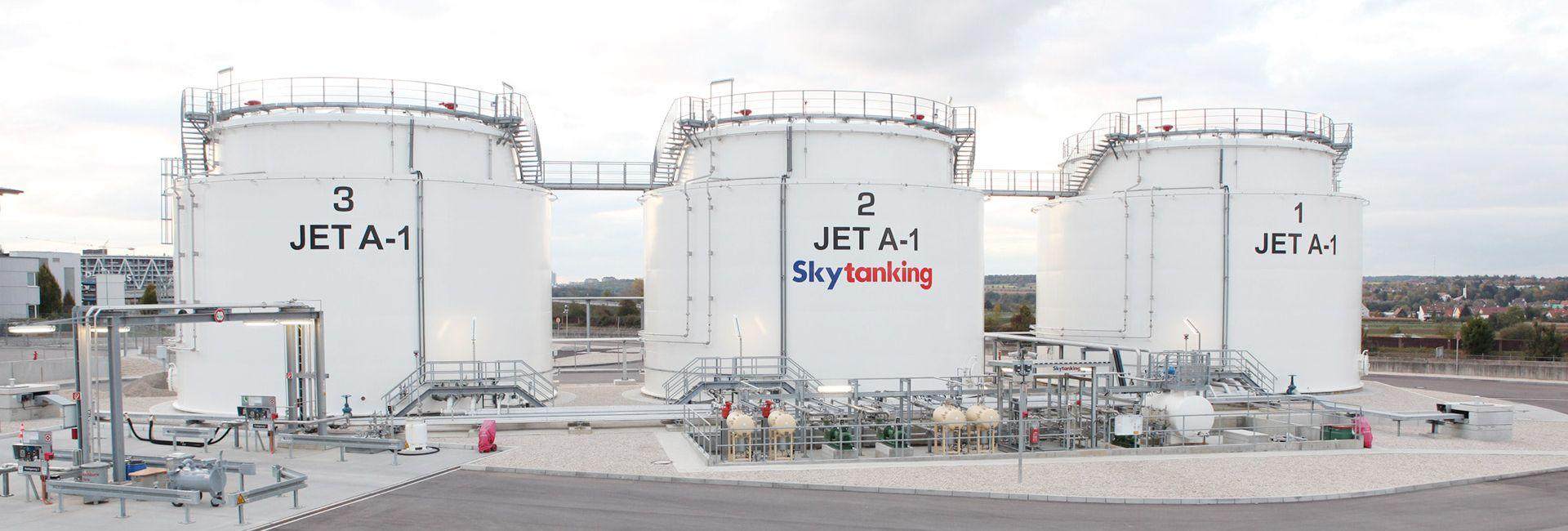
- Jet fuel shortages reported in parts of Europe
- Rising fuel costs increasing airline expenses
- Supply chain delays due to limited fuel availability
Geopolitical Tensions
Conflicts in the Middle East and other regions are intensifying aviation industry challenges by disrupting global trade routes.
- Shipping lanes facing potential blockades
- Airlines forced to reroute flights
- Increased insurance and operational costs
Impact on Global Supply Chains
Shipping Delays and Higher Costs
Global supply chains are experiencing delays as shipping routes become less predictable.
Key impacts include:
- Longer delivery times for goods
- Increased shipping costs
- Reduced efficiency in global trade
Business and Consumer Effects
Supply chain crisis are not just affecting industries, they are directly impacting everyday life.
- Higher prices for goods due to transport costs
- Limited availability of imported products
- Disruptions in manufacturing supply chains
Impact on the Aviation Industry
Rising Operational Costs
Airlines are among the hardest hit by Global logistics disruptions.
- Increased fuel expenses
- Flight cancellations and delays
- Reduced profitability for airlines
Route Changes and Travel Disruptions
Airlines are being forced to adapt quickly:
- Longer flight routes to avoid conflict zones
- Increased ticket prices for passengers
- Reduced flight availability on key routes
Analysis: Why This Matters Globally
The aviation and supply chain risks highlight how interconnected the global economy has become. A disruption in one region can ripple across industries worldwide.
Key insights:
- Energy security is directly tied to transportation stability
- Global trade depends heavily on reliable logistics networks
- Prolonged disruptions could slow economic growth
Future Outlook: What Comes Next?
Experts warn that global logistics disruptions may continue if geopolitical tensions remain unresolved.
Possible scenarios:
- Continued rise in fuel prices
- Long-term restructuring of global supply chains
- Increased investment in alternative routes and energy sources
Conclusion
Aviation and supply chain risks in 2026 are reshaping global trade and travel. With fuel shortages, geopolitical instability, and logistical challenges all contributing to the crisis, businesses and governments must adapt quickly.
As the situation evolves, managing aviation and supply chain risks will be critical to maintaining global economic stability.
These disruptions are closely connected to the ongoing global energy crisis. You can read more in our detailed report on the oil crisis here