Introduction
The global economy 2026 is entering a period of heightened uncertainty as rising geopolitical tensions, inflation pressures, and slowing growth begin to reshape financial stability worldwide. From surging oil prices to weakening consumer demand, economists warn that the current situation could evolve into a broader economic slowdown if risks continue to escalate.
What Is Driving the Global Economy in 2026?
Key Factors Behind the Slowdown
Several major forces are currently influencing the global economy:
- Rising oil prices due to Middle East tensions
- Persistent inflation across major economies
- Supply chain disruptions affecting trade
- Central bank policies tightening interest rates
Organizations like the International Monetary Fund have already warned that global growth could slow significantly in 2026 if these pressures continue.
Inflation and Cost of Living Crisis
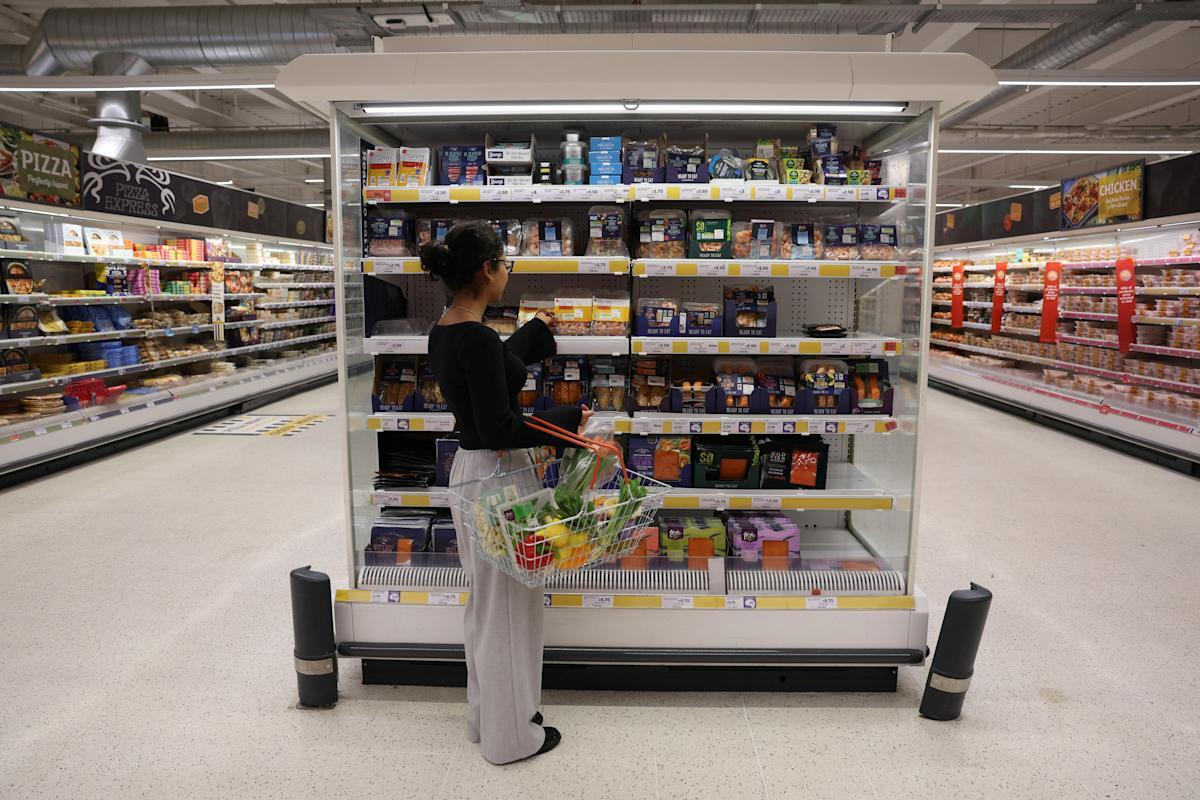
Inflation remains one of the biggest challenges in the global economy 2026. Prices for essential goods such as food, fuel, and housing have increased sharply.
How Inflation Affects People
- Higher fuel prices increase transportation costs
- Food prices rise due to supply disruptions
- Housing and rent become less affordable
- Savings lose value over time
Central banks, including the Federal Reserve, continue to raise interest rates in an attempt to control inflation, but this also slows down economic growth.
Impact of Geopolitical Conflicts
Geopolitical instability is another major factor shaping the global economy 2026.
Economic Consequences of Conflict
- Disruption of global oil supply routes
- Increased military spending by governments
- Decline in investor confidence
- Currency fluctuations in emerging markets
Conflicts in strategic regions like the Middle East have a direct impact on global energy markets and trade routes, making the situation more fragile.
Financial Markets and Business Outlook
Financial markets are reacting strongly to uncertainty.
What Investors Are Watching
- Corporate earnings reports
- Inflation data releases
- Central bank decisions
- Global trade developments
- IMF Report
Volatility has increased across stock markets, with investors becoming more cautious about future growth.
What Happens Next?
Economists predict multiple possible scenarios for the global economy 2026:
Possible Outcomes
- Soft Landing: Inflation slows without major recession
- Mild Recession: Growth slows but remains stable
- Severe Downturn: Global recession triggered by prolonged conflict
The World Bank has emphasized the need for coordinated global action to stabilize markets and support vulnerable economies.
Conclusion
The global economy 2026 stands at a critical crossroads. With inflation still high, geopolitical tensions rising, and financial markets unstable, the coming months will be crucial in determining whether the world avoids a recession or moves deeper into economic crisis.
For individuals and businesses alike, staying informed and prepared will be key to navigating this uncertain economic landscape.