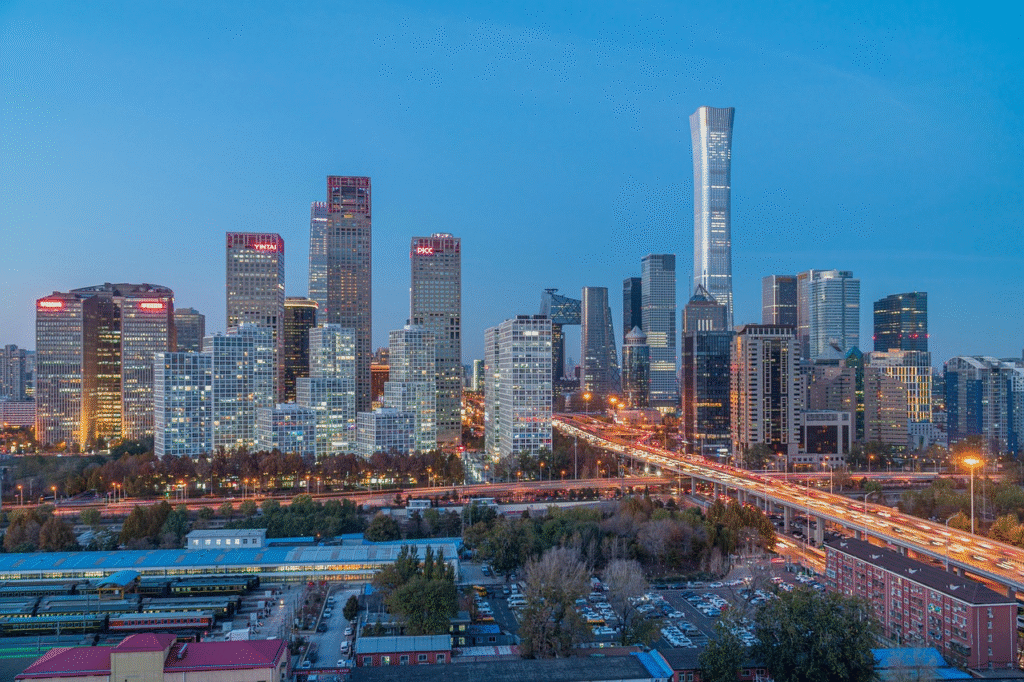
The China economic stability 2026 strategy was highlighted at the China Development Forum in Beijing, Premier Li Qiang addressed global audiences, emphasizing strategies to maintain economic stability amid rising international uncertainty. The forum, which brings together business leaders, policymakers, and economists, showcased China’s focus on boosting domestic demand, supporting innovation, and promoting global cooperation.
Li highlighted the challenges posed by rising energy prices and supply chain disruptions but insisted that China’s economy remains resilient. “China is committed to sustaining high-quality growth while ensuring macroeconomic stability,” Li said, pointing to initiatives in clean energy, digital infrastructure, and high-tech manufacturing.
Context
The forum comes at a time when global markets face volatility from inflation, geopolitical tensions, and commodity price fluctuations. Data from the World Bank shows China’s GDP grew 4.7% in 2025, reflecting resilience despite external pressures. Historically, the forum serves as a platform for signaling China’s policy direction to international investors and partners.
Key Developments
China outlined three main priorities:
- Domestic demand: Policies will incentivize households and small businesses to maintain consumption and reduce reliance on exports.
- Technological innovation: Investments in AI, green energy, and advanced manufacturing aim to strengthen China’s global competitiveness.
- International cooperation: China seeks stable trade relations, avoiding protectionist policies while deepening ties with Europe, Southeast Asia, and Africa.
Experts note that China’s strategy could stabilize global markets. “Sustained growth in China provides a critical anchor for regional and global trade,” said Dr. Mei Ling, economist at the Asian Development Bank.
Impact
Global investors and markets are closely watching these developments. Confidence in China may help reduce market volatility, stabilize commodity prices, and support emerging economies. However, challenges such as geopolitical tensions and semiconductor supply issues remain risks. Overall, the China economic stability 2026 strategy reflects a long-term plan for sustainable growth.