
March 2026 | Environment
The divide between climate policy vs reality is becoming increasingly clear in 2026. Despite decades of international commitments and ambitious targets, global emissions continue to rise, revealing a persistent gap between political promises and real-world outcomes.
Governments across the world have pledged to cut carbon emissions and transition toward cleaner energy systems. However, recent data from organizations like the IPCC and International Energy Agency shows that global carbon output remains at record levels, raising serious concerns about the effectiveness of current climate strategies.
How Climate Policy vs Reality Fuels Rising Global Emissions
One of the biggest challenges in addressing the climate policy vs reality gap is the conflict between economic growth and environmental responsibility. Many countries remain heavily dependent on fossil fuels, making rapid transitions both politically and economically difficult.
In addition, short-term political cycles often discourage long-term climate investments. Leaders may prioritize immediate economic stability over structural reforms, delaying meaningful climate action. This has resulted in a situation where policy ambition appears strong on paper but lacks consistent implementation.
Climate Policy vs Reality and the Impact of Extreme Weather
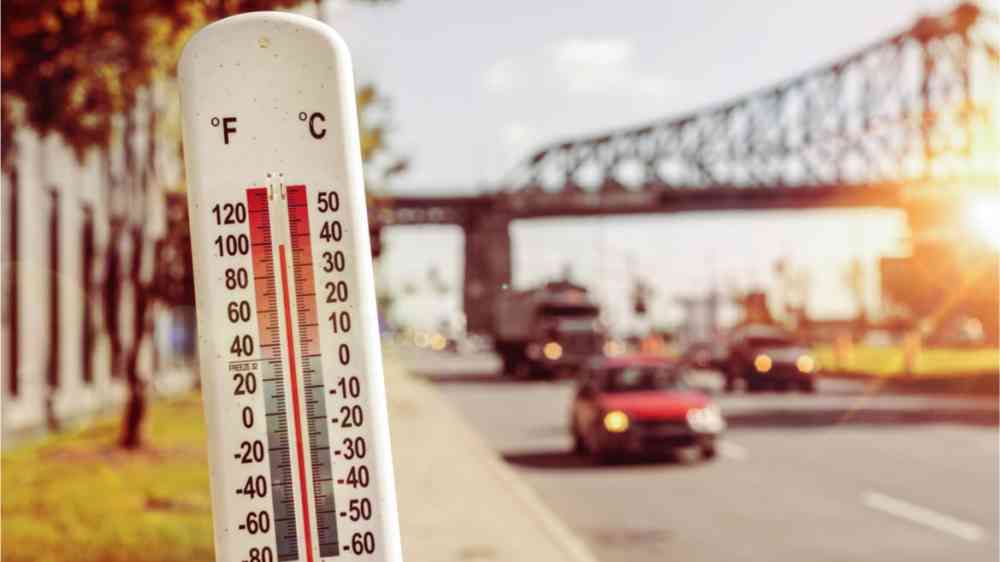
At the same time, the consequences of inaction are becoming more visible. Extreme weather events—including heatwaves, floods, and storms—are increasing in both frequency and intensity. These events are not only environmental disasters but also major economic threats, affecting infrastructure, agriculture, and public health.
Scientific reports continue to warn that without immediate and sustained emission reductions, the world risks crossing critical climate thresholds. This makes the gap between climate policy vs reality even more dangerous.
Global Inequality in Climate Policy vs Reality
Another key factor widening the gap is the disagreement between developed and developing nations. Developing countries argue that they should not bear the same burden as industrialized nations, which have historically contributed the most to global emissions.
Meanwhile, developed economies face internal challenges balancing sustainability goals with economic growth. This tension has slowed global cooperation and weakened collective climate action.
Green Protectionism and the Climate Policy vs Reality Gap
A growing trend complicating the situation is green protectionism. Countries are increasingly investing in domestic clean energy industries while introducing policies that favor local production over international collaboration.
While this approach can accelerate innovation and job creation within individual nations, it often comes at the cost of global coordination. As a result, progress becomes fragmented, further widening the climate policy vs reality divide.
Closing the Gap in the Next Decade
The world is now entering a decisive period. The actions taken over the next decade will determine whether climate mitigation remains achievable or whether adaptation becomes the primary global strategy.
Closing the gap between climate policy vs reality will require more than ambitious pledges. It will demand concrete action, stronger international cooperation, and a willingness to prioritize long-term sustainability over short-term gains.
Without these changes, the gap will continue to widen—making the global climate crisis even more difficult to manage in the years ahead.
🌍 Climate Science & Reports
📊 Emissions & Data
- https://www.iea.org/reports/global-energy-review-co2-emissions
- https://ourworldindata.org/co2-emissions
🌱 Policy & Global Efforts