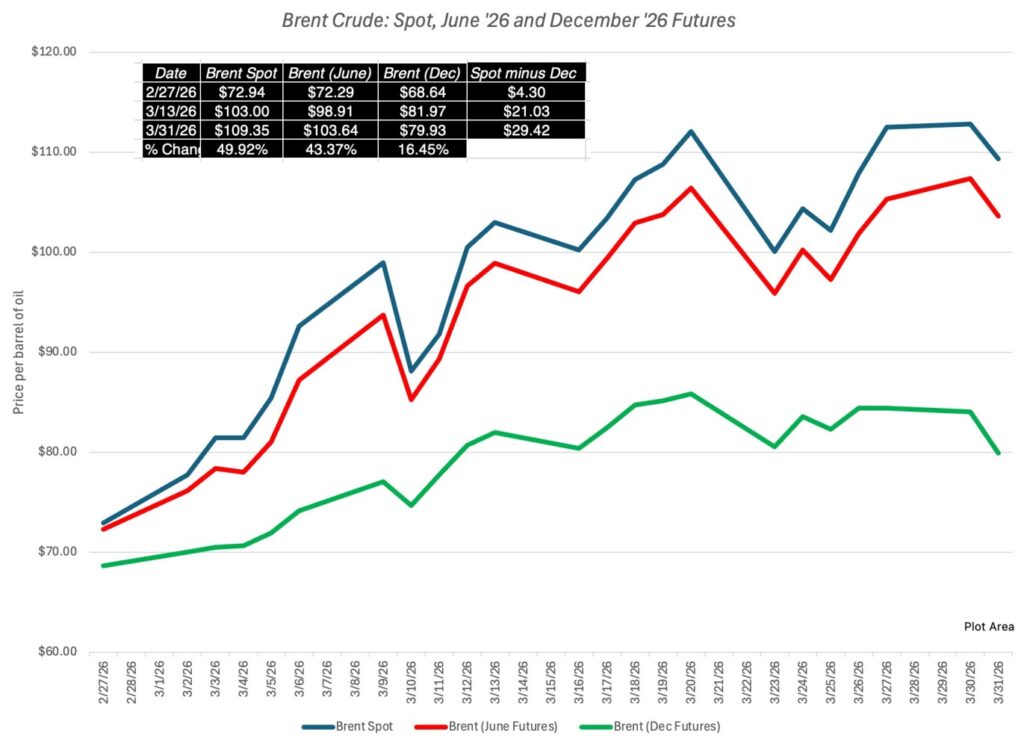

The global economy is facing renewed uncertainty in 2026 as oil prices surge sharply, driven by escalating geopolitical tensions and fears of prolonged conflict in key regions. The sudden rise in energy costs is already impacting markets worldwide, raising concerns about inflation and economic stability.
⚠️ Oil Prices Surge in 2026 Amid Global Tensions
Recent reports indicate that crude oil prices have surged past $110 per barrel, marking one of the most significant increases in recent years. This spike is largely linked to rising tensions in the Middle East, a region critical to global energy supply.
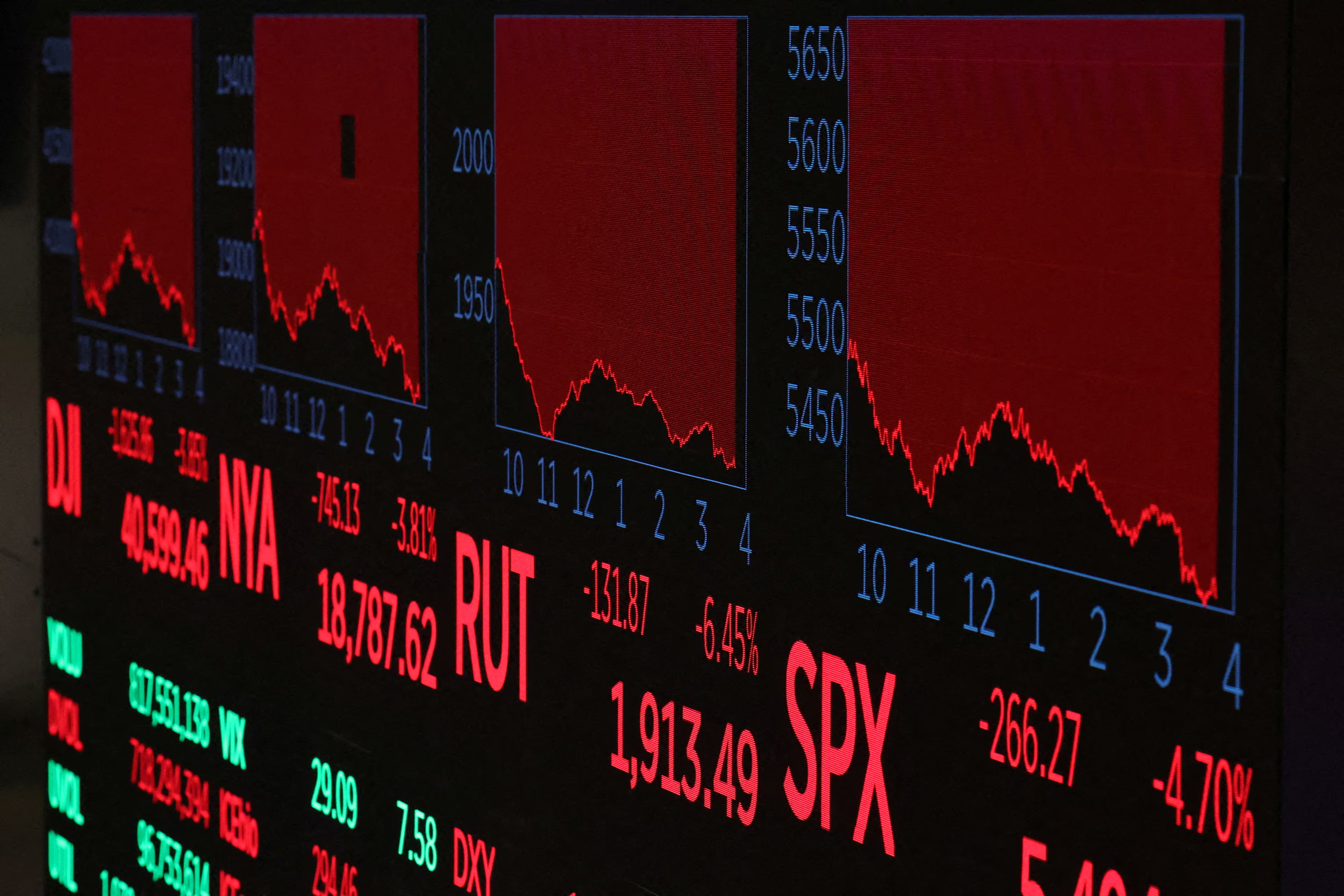
The surge has triggered immediate reactions across financial markets, with major stock indices experiencing volatility as investors respond to uncertainty.
📉 Global Markets React as Oil Prices Surge in 2026
The increase in oil prices is already affecting multiple sectors:
- Airlines and transportation industries face higher fuel costs
- Businesses struggle with increased operational expenses
- Consumers are seeing rising fuel and energy prices
Experts warn that this could lead to “war-driven inflation”, where supply disruptions push prices higher without corresponding economic growth.
🌐 Wider Economic Impact as Oil Prices Surge in 2026
The ripple effects of rising oil prices extend far beyond energy markets. Global institutions have warned that continued instability could:
- Slow economic growth worldwide
- Increase inflation across multiple countries
- Disrupt international trade and supply chains
As oil remains a key driver of the global economy, even small disruptions can have large-scale consequences.
🔥 Rising Global Tensions Fuel Uncertainty
Geopolitical tensions continue to play a major role in the crisis. Ongoing conflicts and political instability are making it difficult to predict how long the situation will last.
Analysts suggest that without diplomatic solutions, the crisis could escalate further, putting additional pressure on already fragile economies.
📊 What Happens Next as Oil Prices Surge in 2026?
Looking ahead, experts are closely monitoring:
- Potential de-escalation efforts in conflict zones
- Changes in oil production and supply
- Government responses to rising inflation
If tensions persist, the global economy could face prolonged instability throughout 2026 and beyond.
🧠 Conclusion
The surge in oil prices highlights how interconnected the global economy has become. As geopolitical tensions continue to rise, the impact is being felt worldwide — from financial markets to everyday consumers.
Understanding these developments is crucial, as the situation may shape economic conditions for months or even years to come.
🌐 1. International Monetary Fund (IMF)
👉 Use this official link:
🔗 Visit IMF Official Website
👉 You can also use their news section:
🔗 IMF Latest News & Reports
📌 Why this is powerful:
- IMF = global financial authority
- 190+ countries member
- Trusted by governments worldwide
🌐 2. BBC News
👉 Use this (main news site):
🔗 https://www.bbc.com/news
📌 Why this is strong:
- BBC is one of the most trusted global news sources
- Reaches millions worldwide