Introduction
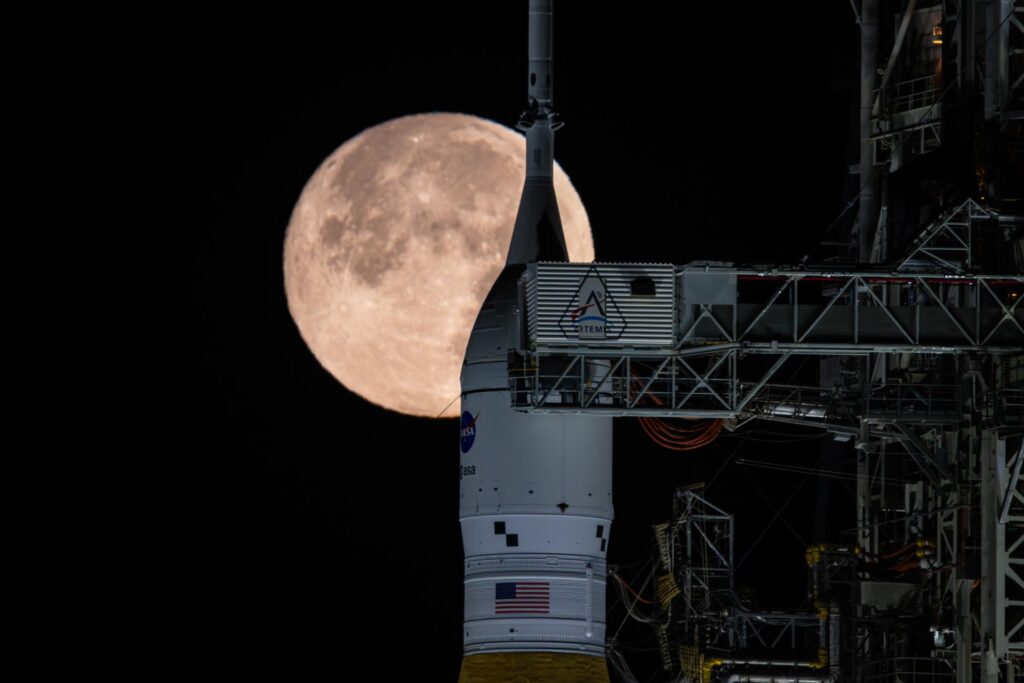
The Moon mission has once again captured global attention as humanity prepares for a historic return to lunar exploration. With NASA’s Artemis II mission set to push boundaries, the Moon mission is not just about revisiting the Moon it’s about building the future of deep space exploration.
This new phase of the Moon mission represents a major step toward sustainable human presence beyond Earth and eventually, missions to Mars.
Background of the Moon Mission
The concept of a Moon mission is not new. During the 1960s and 70s, NASA’s Apollo program successfully landed humans on the Moon. However, after decades of limited lunar activity, global interest has surged again.
Why the Moon Again?
There are several reasons why the Moon mission has regained importance:
- Strategic location for deep space missions
- Presence of water ice in lunar poles
- Scientific opportunities for research
- Technological testing ground for Mars missions
The Artemis program aims to build on past achievements while introducing modern technologies.
Key Highlights of Artemis II Moon Mission
Artemis II is one of the most anticipated Moon missions in recent years. Unlike previous test flights, this mission will carry astronauts around the Moon.
Mission Objectives
- Send humans on a lunar flyby
- Test spacecraft systems with crew onboard
- Prepare for future Moon landings
Key Features
- Advanced Orion spacecraft
- Space Launch System (SLS) rocket
- Improved life-support systems
Timeline Overview
| Phase | Description |
|---|---|
| Launch | Planned in near future |
| Lunar Flyby | Astronauts orbit the Moon |
| Return | Safe re-entry to Earth |
This Moon mission is crucial in ensuring the success of future lunar landings under Artemis III.
Technological Innovations in the Moon Mission
Modern Moon missions rely heavily on advanced technology. Artemis II introduces innovations that make long-term space travel safer and more efficient.
Key Technologies
- Orion Capsule: Designed for deep space missions
- SLS Rocket: Most powerful rocket ever built
- Navigation Systems: Precision lunar trajectory tracking
These advancements make the Moon mission more reliable than ever before.
Global Impact of the Moon Mission
The Moon mission is not just a scientific endeavor, it has wide-ranging global implications.
Economic Impact
- Boost in space industry investments
- Growth in private space companies
- Job creation in aerospace sectors
Scientific Impact
- Better understanding of lunar geology
- Research on space radiation
- Study of potential lunar resources
Geopolitical Impact
Countries like the U.S., China, and India are actively investing in Moon missions, making it a new arena of global competition and collaboration.
What This Moon Mission Means for the Future
The Artemis II Moon mission is only the beginning. It lays the foundation for long-term human presence on the Moon.
Future Possibilities
- Permanent lunar bases
- Mining of lunar resources
- Gateway to Mars missions
This Moon mission could redefine humanity’s place in the universe.
Conclusion
The Moon mission in 2026 marks a turning point in space exploration. With Artemis II leading the way, humanity is closer than ever to establishing a sustainable presence beyond Earth.
As technology advances and global collaboration increases, the Moon mission will serve as the foundation for future exploration of Mars and beyond. The journey back to the Moon is not just a return, it is a leap toward the future.