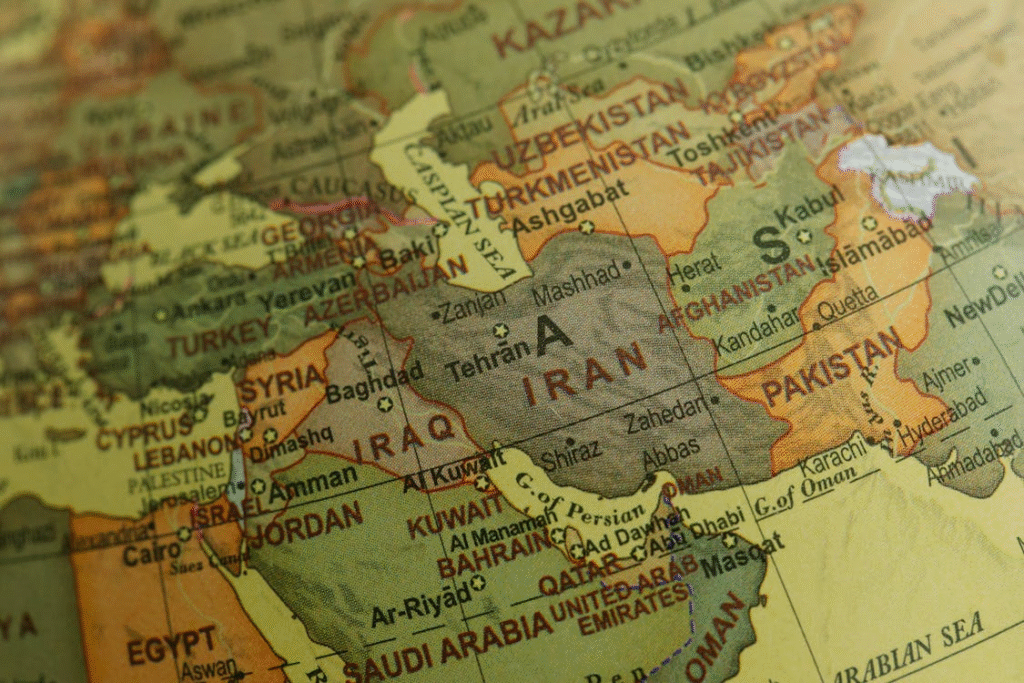
Middle East Conflict Escalates: Global Impact & Oil Crisis
Introduction
The Middle East conflict 2026 is rapidly becoming one of the most critical global crises of the year. Rising tensions involving major powers such as the United States, Israel, and Iran have pushed the region toward instability. As the situation escalates, its effects are spreading worldwide—impacting oil prices, global trade, and economic stability.
Background: Why the Middle East Conflict Is Escalating
The Middle East has long been a center of geopolitical tension, but recent developments have significantly intensified the situation.
Key Causes of the Conflict
- Increased military confrontations between regional powers
- Rising political tensions and sanctions
- Strategic competition over oil and energy routes
- Proxy conflicts expanding across borders
These factors have transformed a regional dispute into a global security concern.
Oil Prices Surge and Energy Crisis
One of the most immediate consequences of the Middle East conflict 2026 is the sharp rise in oil prices.
Why Oil Prices Are Increasing
- Threats to the Strait of Hormuz, a key global shipping route
- Reduced oil supply due to regional instability
- Increased demand driven by uncertainty
| Factor | Impact |
|---|---|
| Strait of Hormuz risk | Disrupts global oil supply |
| Military escalation | Increases market fear |
| Supply shortages | Drives prices higher |
Oil prices have already crossed $115 per barrel, raising serious concerns worldwide.
Global Economic Impact
The ongoing Middle East conflict 2026 is not just a regional issue—it’s affecting the global economy.
Key Economic Effects
- Rising inflation due to higher fuel costs
- Increased transportation and production expenses
- Pressure on global markets and currencies
- Slower economic growth in multiple countries
Businesses and consumers alike are feeling the financial strain.
Trade and Supply Chain Disruptions
Global trade is also under threat as key shipping routes face increasing risk.
Major Concerns
- Cargo ships rerouting to avoid conflict zones
- Delays in delivery of essential goods
- Increased shipping and insurance costs
If disruptions continue, global supply chains could face serious breakdowns.
Political and Strategic Implications
The conflict is reshaping global alliances and geopolitical strategies.
Key Developments
- Increased military presence by global powers
- Diplomatic tensions rising across regions
- Potential for wider international involvement
This makes the situation unpredictable and highly volatile.
Future Outlook
Experts warn that the Middle East conflict 2026 could continue to escalate if diplomatic solutions are not reached.
Possible Scenarios
- De-escalation through diplomacy
- Prolonged regional conflict
- Full-scale international crisis
The next few months will be critical in determining the outcome.
Conclusion
The Middle East conflict 2026 is a defining global issue with far-reaching consequences. From rising oil prices to economic instability and geopolitical tensions, the entire world is being affected. Governments, businesses, and individuals must prepare for continued uncertainty as the situation develops.